Long drawing, painting, and digital-design sessions can leave your back, hips, and shoulders feeling stiff. A well-designed kneeling chair can encourage a more open hip angle while keeping your workspace compact and supportive.
We selected 10 kneeling chairs for artists with different needs, including adjustable models, rocking designs, mobile office chairs, wood-frame options, and chairs with back support. Use the guide below to match features with your studio setup and working style.
Best 10 Kneeling Chair for Artists Picks for 2026
Best Adjustable Pick
Adjustable Ergonomic Kneeling Chair

- Three height positions for different desks
- Rocking design and thick cushions
- 250-pound capacity with five-year warranty
Best For: Artists seeking adjustable, versatile seating for creative work
Best Premium Design
Varier Variable Balans Kneeling Chair

- Scandinavian design by Peter Opsvik
- Lightweight rocking frame for active sitting
- Beech plywood build with 10-year warranty
Best For: Design-conscious artists who want a portable, premium chair
Best Mobile Option
DRAGONN by VIVO Kneeling Chair
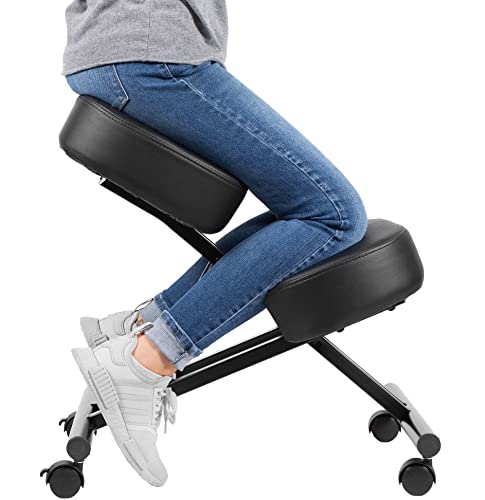
- Adjusts from 21 to 28 inches
- Four caster wheels support workspace mobility
- Three-inch cushion and 250-pound capacity
Best For: Artists who move between desks and studio workstations
Best Cushioning
Predawn Adjustable Rocking Kneeling Chair

- Thick foam seat and knee cushions
- Adjustable height with rocking motion
- Solid wood frame supports 265 pounds
Best For: Artists wanting padded support for work or meditation
Best for Easy Setup
ProErgo Pneumatic Kneeling Chair
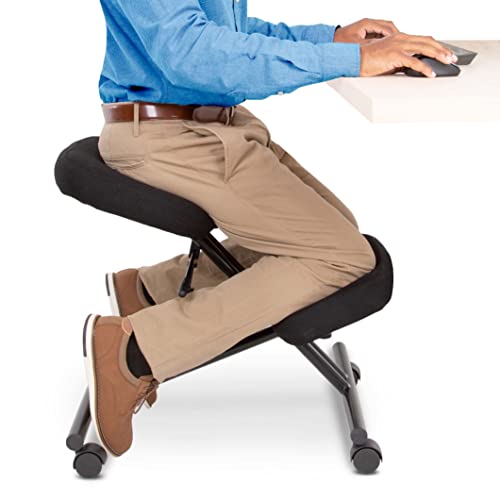
- Pneumatic height adjustment
- Breathable 2.5-inch cushions
- Swivel wheels and compact frame
Best For: Artists needing mobile, adjustable seating for a desk or studio
Best Full-Support Design
Ergonomic Kneeling Chair with Footrest

- Backrest, footrest, and armrests
- Adjustable height and seat angle
- Locking casters for stability
Best For: Artists wanting added support during desk or computer work
Best Rocking Option
GOFLAME Wooden Rocking Kneeling Chair

- Gentle curved-base rocking motion
- Padded seat and knee cushions
- 330-pound weight capacity
Best For: Artists seeking a rocking seat for painting and relaxed studio work
Adjustable Comfort Pick

- 21–28-inch height adjustment
- Molded-foam seat and knee cushion
- Includes two caster sets
Best For: Artists who want an adjustable, versatile studio chair
Breathable Support Pick

- Breathable mesh backrest
- Adjustable seat and knee-pad height
- Steel frame with mobile casters
Best For: Artists who want back support for desk and reading work
Wooden Studio Pick
Adjustable Wooden Kneeling Chair

- Customizable seat cushion angle
- Supports up to 265 pounds
- Designed for 29–33-inch desks
Best For: Artists seeking a wood-look chair for a coordinated studio
Best Adjustable Pick – Adjustable Ergonomic Kneeling Chair
If you want a kneeling chair for artists that can adapt to different desks and working positions, this model offers three height positions, cushioned adjustable seat pads, and a gentle rocking motion. It is designed for indoor home offices, study areas, and creative workspaces.
Best For: Artists who want adjustable seating, rocking movement, and the flexibility to sit cross-legged or in other positions.
Pros:
- Adjustable seat height works with desks from 29 to 35 inches.
- Rocking movement helps vary pressure during long sitting sessions.
- Wood frame supports up to 250 pounds and includes a five-year warranty.
- Thick, high-density cushions are designed to retain their shape.
Cons:
- Users may need time to adapt to pressure on the shins or lower back.
- Proper seat and desk-height matching is important for comfort.
- The backless design provides no upper-back support.
Its adjustable setup and multifunctional seating options make it a practical choice for artists who shift between drawing, computer work, and creative planning. Gradual use can help with the transition from a conventional chair.
Best Premium Design – Varier Variable Balans Kneeling Chair
For artists looking for a premium kneeling chair for artists, the Varier Variable Balans combines a Scandinavian design with a balancing motion that shifts emphasis toward the core and legs. Its lightweight construction also makes it easier to move between a studio, office, or study area.
Best For: Artists who value minimalist design, lightweight portability, and a long warranty for everyday creative work.
Pros:
- Designed by Peter Opsvik with a Scandinavian aesthetic.
- Rocking balance encourages movement and an open hip angle.
- Lightweight at about 15 pounds and supports up to 243 pounds.
- Strong beech plywood construction and a 10-year limited warranty.
Cons:
- It has one listed height position rather than adjustable height.
- The backless design may not suit users who want back support.
- It is intended for hard floors and may require floor protection on other surfaces.
This is the strongest fit for a design-conscious creative space where appearance and mobility matter. The lack of height adjustment makes desk compatibility worth checking before purchase.
Best Mobile Option – DRAGONN by VIVO Kneeling Chair
This DRAGONN model is a practical kneeling chair for artists who need to move around a workspace. Its seat adjusts from 21 to 28 inches, while four caster wheels allow the chair to roll between a desk, supply table, or classroom setup.
Best For: Artists who prioritize mobility, adjustable height, and a modern chair that can move across a hard-floor workspace.
Pros:
- Height adjusts from 21 to 28 inches.
- Four caster wheels provide smooth mobility, with brake casters noted in the listing.
- Thick three-inch vinyl cushioning supports the seat.
- Metal base supports up to 250 pounds.
Cons:
- Users should acclimate gradually because it engages different muscles than a standard chair.
- The one-year warranty is shorter than some alternatives in this roundup.
- Its rolling design is intended for hard floors and may be less suitable for uneven surfaces.
For artists who frequently change stations, the rolling base is the main advantage. The adjustable range also makes it easier to coordinate the chair with different work surfaces, though gradual position changes are recommended.
Best Cushioning – Predawn Adjustable Rocking Kneeling Chair
The Predawn is a kneeling chair for artists who want thick cushioning and a rocking format for work, study, or meditation. Its solid wood frame, linen upholstery, and adjustable seat height are suited to a home office or creative space.
Best For: Artists seeking padded knee and seat support with a rocking motion and a higher listed weight capacity.
Pros:
- High-density foam seat and knee pads are designed for lasting support.
- Breathable linen fabric helps provide a cooler seating surface.
- Adjustable height accommodates different body sizes and workspaces.
- Solid wood frame supports up to 265 pounds and includes a five-year warranty.
Cons:
- The chair requires assembly, although setup is described as taking minutes.
- Its 33.46-inch depth may require more floor space than a compact stool.
- The rocking, backless design may not suit users seeking a fixed chair with back support.
This model stands out when cushioning is a priority, especially for artists alternating between desk work and meditation or idea development. Measure the available floor area before choosing it for a smaller studio.
Best for Easy Setup – ProErgo Pneumatic Kneeling Chair
If you want a kneeling chair for artists that can adapt to different desk or studio setups, the ProErgo Pneumatic model offers adjustable height, mobile positioning, and a compact frame. Its breathable cushions and metal base make it a practical option for extended creative work.
Best For: Artists who need adjustable, wheeled seating for a home studio, office, or classroom workspace.
Pros:
- Pneumatic lift allows flexible height adjustment.
- Breathable 2.5-inch fabric cushions are designed for all-day comfort.
- Four full-swivel wheels make it easy to move and store under a desk.
- Metal construction supports up to 250 pounds.
Cons:
- The design is intended for hard floors.
- It has no armrests, which may not suit users who want upper-body support.
Choose this model if adjustability and mobility matter more than a traditional fixed studio seat. The five-minute assembly and included tools also make it convenient to set up quickly.
Best Full-Support Design – Ergonomic Kneeling Chair with Footrest
This kneeling chair for artists adds a backrest, foot support, armrests, and padded knee rests for a more supported sitting arrangement. Its adjustable pneumatic system and rolling casters make it suitable for creative workstations where posture and repositioning are priorities.
Best For: Artists who prefer extra body support while working, studying, or using a computer.
Pros:
- Includes a breathable backrest, 4-inch cushion, foot support, and armrests.
- Pneumatic adjustment customizes seat height and angle.
- Four 360-degree casters support smooth movement, with two locking wheels for stability.
- Supports kneeling, cross-legged, and traditional sitting positions.
Cons:
- The product notes caution against use by people with severe knee, spine, coccyx, lower-back, or hip conditions.
- Breaks are recommended about every hour because prolonged use may cause discomfort.
- The listed maximum weight recommendation is approximately 22.6 pounds, so verify the seller’s current weight specification before buying.
This is the most feature-rich option of the three, but its extensive support system may feel less open than a simpler kneeling chair. Review the fit carefully, especially if you plan to use it for long drawing or computer sessions.
Best Rocking Option – GOFLAME Wooden Rocking Kneeling Chair
For artists who prefer a more active seat, the GOFLAME wooden rocking chair brings gentle movement to a kneeling-chair design. Its curved base, padded seat and knee cushions, and sturdy wood frame make it a distinctive choice for painting, reading, or working on a hard floor.
Best For: Artists who want a portable rocking seat for painting, reading, meditation, or home-office tasks.
Pros:
- Curved base provides a gentle rocking motion.
- Padded seat and knee cushions use high-density sponge with breathable fabric.
- Wooden frame supports up to 330 pounds.
- Can be used for painting, reading, working, and meditation.
Cons:
- The rocking base is not as easily repositioned as a wheeled design.
- The open-back, armless design provides less upper-body support.
- Its 34-inch depth may require more floor space than a compact office chair.
This model stands out when gentle movement and a wood-based look appeal to your creative space. Select it if you value a stable rocking experience and high weight capacity over pneumatic adjustment or casters.
Adjustable Comfort Pick – Ergonomic Kneeling Chair
If you want a kneeling chair for artists that can adapt to different desk setups, this model combines three height settings with molded-foam cushioning. Its angled seat and knee support are designed for a more upright working position, while the included caster sets make it easier to reposition on hard floors.
Best For: Artists who need adjustable height, cushioned support, and a chair that can also serve for reading, typing, or meditation.
Pros:
- Adjusts from 21 to 28 inches to suit different users and work surfaces.
- Three-inch molded-foam cushioning supports the seat and knees.
- Includes smooth-rolling and locking caster sets.
- Supports up to 250 pounds.
Cons:
- Requires assembly before use.
- The kneeling position may take time to adjust to.
- Designed for indoor use on hard floors.
This is a practical choice when an artist wants flexibility rather than a fixed-height kneeling stool. The adjustable frame and replaceable caster options make it especially useful for a home studio that doubles as a workspace or reading area.
Breathable Support Pick – Mesh-Back Kneeling Chair
This kneeling chair for artists adds a breathable mesh backrest to the usual angled seat and knee-rest design. Height-adjustable supports, a steel frame, faux-leather cushions, and mobile casters make it suitable for desk work, reading, and moving between areas of a home studio.
Best For: Artists who prefer back support and airflow while switching between computer work, reading, and other seated tasks.
Pros:
- Mesh back support promotes air circulation.
- Seat and knee-pad heights adjust for different users.
- Steel frame and high-density sponge cushioning are suited to regular use.
- Silent rolling casters help with repositioning.
Cons:
- Weight capacity is limited to 220 pounds.
- At 26.9 pounds, it is heavier than some simpler kneeling chairs.
- Requires enough space for its deeper 28.74-inch footprint.
The backrest distinguishes this model from more minimal kneeling chairs. It is a strong fit for artists who work at a computer or read for long periods and want added ventilation without giving up an angled posture-supporting seat.
Wooden Studio Pick – Adjustable Wooden Kneeling Chair
For artists drawn to a warmer studio look, this wooden kneeling chair for artists uses an angled seat and customizable cushioning to support a more open sitting position. It is intended for desks 29 to 33 inches high and can also function as a meditation, typing, or home-office chair.
Best For: Artists who want a wooden frame, adjustable sitting angle, and a chair suited to medium-height desks.
Pros:
- Customizable cushion helps accommodate different sitting angles and heights.
- Supports users up to 265 pounds.
- Wood-colored design can complement a home studio.
- Works for desk tasks, meditation, typing, and home-office use.
Cons:
- Best suited to desks between 29 and 33 inches high.
- New users may experience leg discomfort while adapting.
- Requires regular breaks and stretching during initial use.
This option emphasizes appearance and adjustability over a conventional office-chair format. Its stated desk-height range makes it worth matching carefully to an easel-side table or studio desk before buying, and gradual use is advisable for newcomers.
How We Picked the Best Kneeling Chair for Artists
We focused on the features that matter during extended creative sessions: seat and knee-pad comfort, usable adjustability, frame stability, posture support, mobility, materials, and overall versatility. Artists often shift between sketching, painting, computer work, and reference viewing, so a good chair should support movement without feeling unstable.
We also considered the differences between rocking and stationary bases, cushioned and mesh surfaces, wood and steel construction, and models with or without back support. No kneeling chair fits every body or desk, so the strongest choice depends on your height, preferred posture, and available workspace.
Quick Comparison
| Feature | Best For | What to Consider |
|---|---|---|
| Adjustable height or angle | Shared studios and varied desks | Look for a secure adjustment mechanism and a useful range. |
| Rocking base | Active sitters and posture changes | It can encourage movement but may feel less stable for detailed work. |
| Casters or mobile frame | Large workstations | Check wheel quality and whether the chair rolls too easily. |
| Back support | Users wanting extra upper-body support | It adds comfort but can reduce the open, flexible feel of a traditional kneeling chair. |
| Thick cushioning | Long sessions | Comfort depends on foam density, cover durability, and pressure distribution. |
Key Buying Factors for a Kneeling Chair for Artists
Fit, Angle, and Adjustability
Your thighs should slope downward while your weight remains distributed between the seat and knee support. Adjustable height or angle makes it easier to find a position that suits your body and desk. If multiple people use the chair, adjustability is especially valuable.
Knee and Seat Comfort
Choose sufficiently thick, supportive padding rather than simply the softest cushion. The knee pads should reduce pressure without forcing your shins into an uncomfortable position. Breathable mesh can help in warm studios, while fabric or faux leather may be easier to clean.
Stability and Movement
A broad stationary base is useful for precise line work, painting, and tablet use. Rocking bases can make shifting positions easier, but they require more balance. Casters are convenient for reaching supplies, provided they lock or roll predictably.
Construction and Workspace Compatibility
Wood frames can suit a home studio and provide a warm appearance; steel frames typically emphasize durability and support. Measure your desk height, floor space, and storage area before buying. Also check the chair’s weight capacity and assembly requirements.
Who Should Buy Which Kneeling Chair for Artists?
Choose a highly adjustable model if you alternate between a drafting table and a standard desk. A rocking kneeling chair is a good fit for artists who like frequent movement, while a stable fixed-base design is usually better for detailed illustration, writing, or digital retouching. Pick a model with back support if you want a more familiar office-chair feel or need occasional upper-body support.
For compact studios, prioritize a lightweight frame or casters that make repositioning easy. If appearance matters, a wooden design may blend better with a home workspace. Whichever model you choose, introduce it gradually, adjust the seat so your hips remain comfortable, and take regular movement breaks rather than relying on any chair to maintain posture indefinitely.